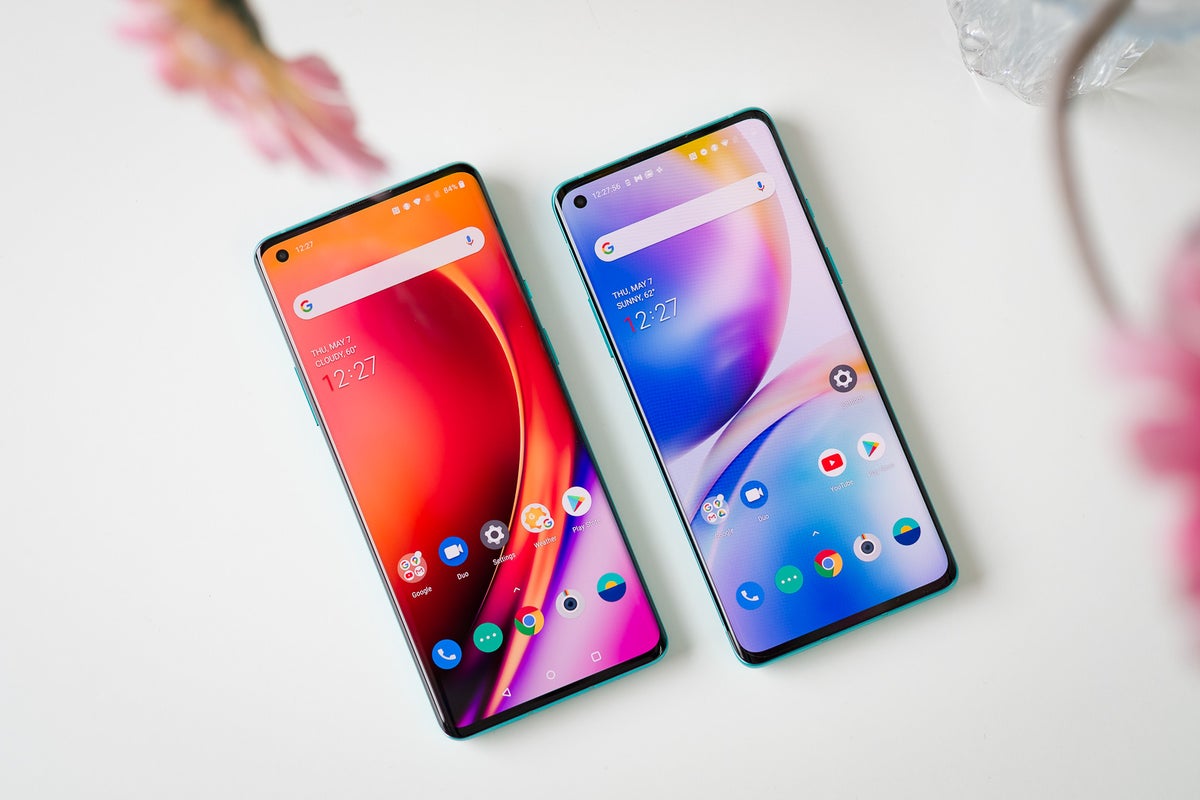
OxygenOS is an Android-based OS developed by Chinese smartphone manufacturer OnePlus exclusively for their smartphones. OxygenOS was developed for their overseas market. There used to also be another version of the OS designed specifically for the Chinese market called HydrogenOS. In an interview published on 3 September 2016, XDA Developers revealed OnePlus was "actively merging both platforms (OxygenOS and HydrogenOS) into a single cohesive operating system based on Android".
Features
Notable features of version 2.0 and 2.1.1 include app permissions, Waves MaxxAudio, SwiftKey keyboard, off-screen gestures, custom icons, dark mode, manual camera mode, and RAW support for 3rd party apps, like Camera FV-5 2.75.
On 14 June 2016, OnePlus released OxygenOS 3.0. It is a version of Android with few modifications and internal tuning, like Gestures, Shelf and a dark mode by OnePlus.
On 31 December 2016, OnePlus released OxygenOS 4.0.0 based on Android Nougat and includes its features and several other modifications to the public via OTA download.
On 31 January 2018, OnePlus released OxygenOS 5.0.3 based on Android Oreo to the public via OTA download.[7] In May 2018, OnePlus launched OnePlus 6 with OxygenOS based on Android Oreo 8.1.
On 29 October 2018, OnePlus launched OnePlus 6T with OxygenOS 9.0 based on Android Pie.
On 25 December 2018, OnePlus released OxygenOS 9.0.0 based on Android Pie for OnePlus 5/5T to the public via OTA download.
On 21 September 2019, OnePlus announced the release of OxygenOS version 10.0 based on Android 10 for OnePlus 7 and 7 Pro. This initial release was followed by Android 10 based builds for older devices later.
On 10th October 2020, OnePlus released OxygenOS 11 based on Android 11 for OnePlus 8/8T. This introduced Always On Display (AOD), one-handed use optimizations, among other features.
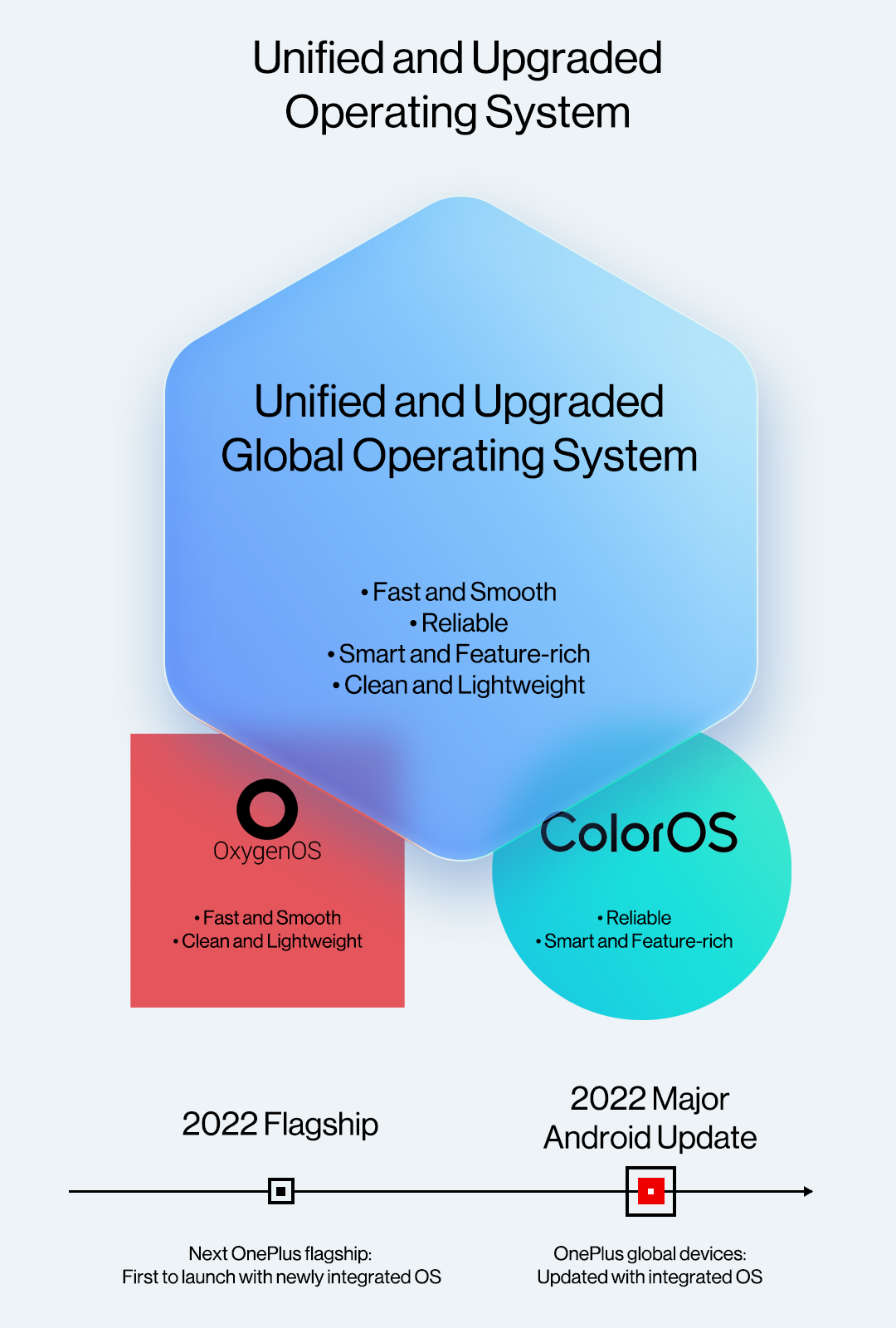
In July 2021, OnePlus merged OxygenOS with Oppo’s ColorOS. Both companies’ software will remain separate and continue to serve their individual regions (OxygenOS for OnePlus phones globally, ColorOS on OnePlus and Oppo devices in China) but share a common codebase, which OnePlus says should standardize its software experience and streamline the development process for future OxygenOS updates.
Privacy :
On 10 October 2017, a security researcher discovered that an OxygenOS system service named "DeviceManagerService" collects sensitive data and sends it back to OnePlus servers. The service collects many data points, including the device serial number, phone number, IMEI, network connections, and timestamped records of user activity within every app. Users can uninstall the system service via ADB. Later, OnePlus released a statement about data collection and analytics, claiming that the data is only used for system improvement and optimization, are not shared with third parties, and can be disabled by users in the system settings. OnePlus also says that they are revising the data analysis mechanism, and will no longer collect certain data.
History :
In 2014, OnePlus promised a "close to stock, bloat-free and highly customizable" experience. They soon held a "Name the ROM" contest in search for a name.
On 30 January 2015 OnePlus officially announced the names OxygenOS and HydrogenOS. The winner of that contest, @Midifire from Belgium, was flown out to their headquarters in Shenzhen, where he got to meet the team, along with their CEO, Pete Lau.

In July 2021, OnePlus merged OxygenOS with Oppo’s ColorOS. Both companies’ software will remain separate and continue to serve their individual regions (OxygenOS for OnePlus phones globally, ColorOS on OnePlus and Oppo devices in China) but will share a common codebase, which OnePlus says should standardize its software experience and streamline the development process for future OxygenOS updates.

 Posts


