Harmony OS : Huawei Self developed and an alternate for Android OS, Basic details of OS :

Intro and Released date :
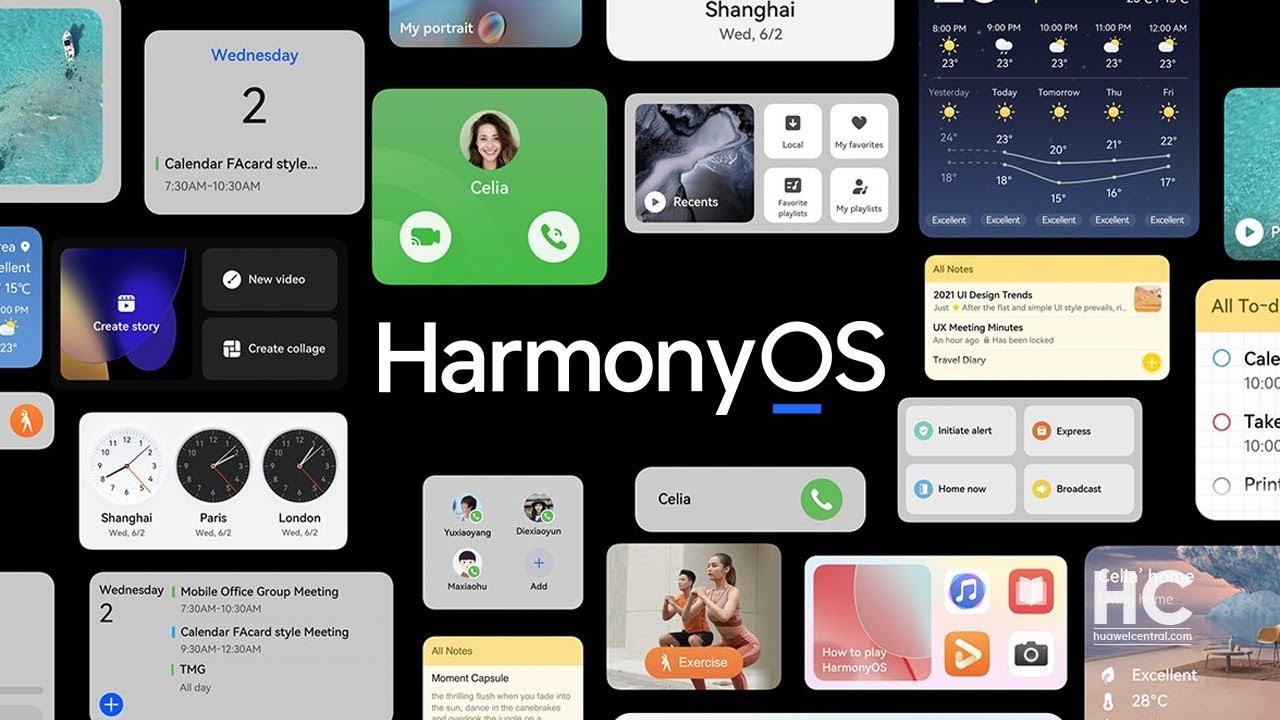
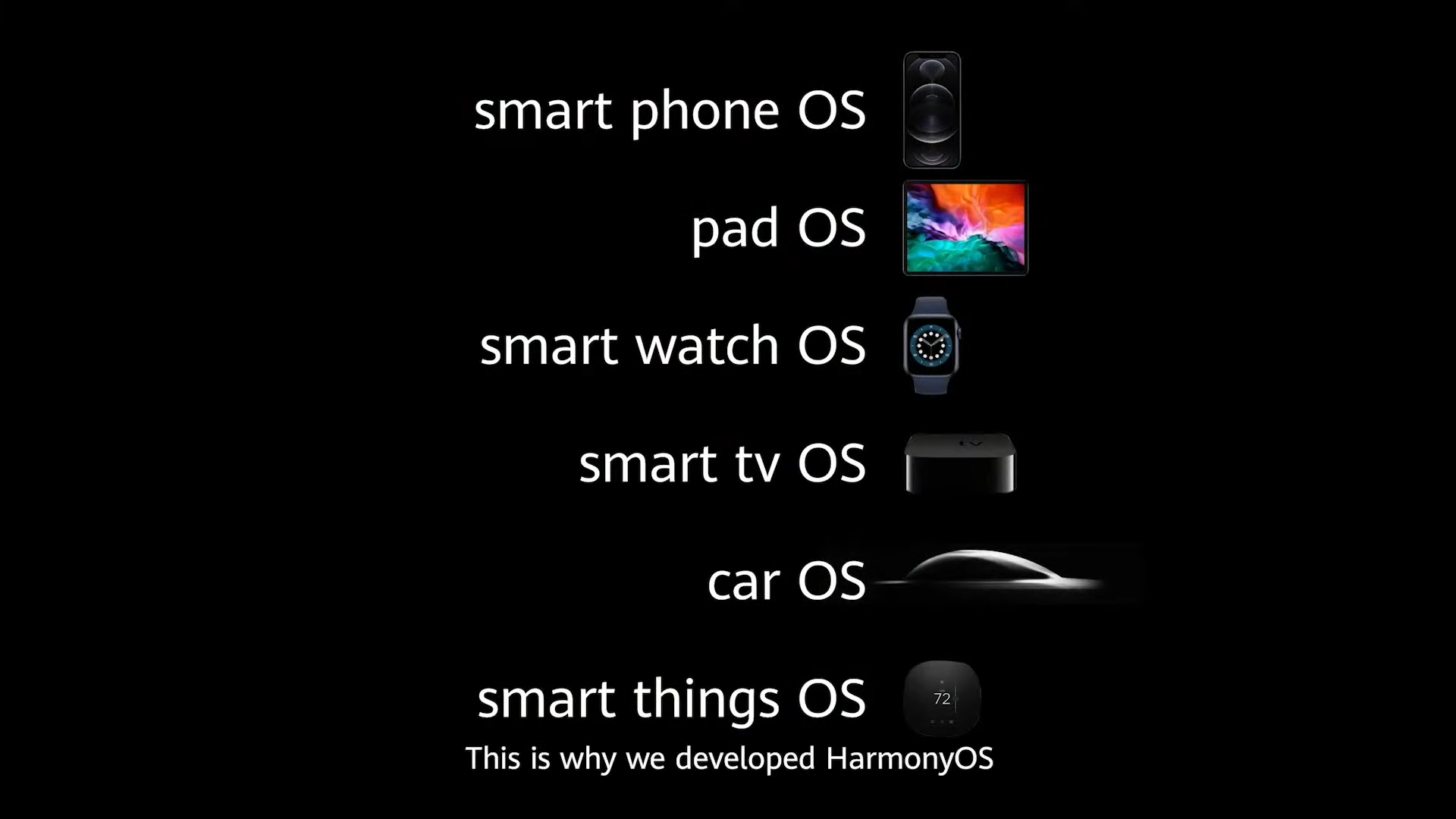
Harmony OS is a distributed operating system which means that is system software over a collection of independent, networked, communicating, and physically separate computational nodes. This particular OS is developed by Huawei (One of the Smart Phone brand). It is developed to run on multiple devices. The OS is developed in a multi-kernel design, the operating system selects suitable kernels from the abstraction layer for devices with diverse resources. For Smartphones and tablets it works based on Linux kernal and Android open-source code to support android apps and for IoT devices, the system is based on LiteOS; User can get HarmonyOS apps in their Smartphone where HarmonyOS comes preinstalled. As HarmonyOS is built with a distributed architecture that uses a same set of system capabilities to adapt to a wide array of device forms, ranging from phones and tablets to wearables, smart TVs, and head units. The OS is officially Launched on 9th August 2019.

HarmonyOS has these outstanding features:
Hardware collaboration and resource sharing: The devices running HarmonyOS are collection of the system layer to form a super device, allowing flexible scaling of device hardware capabilities.
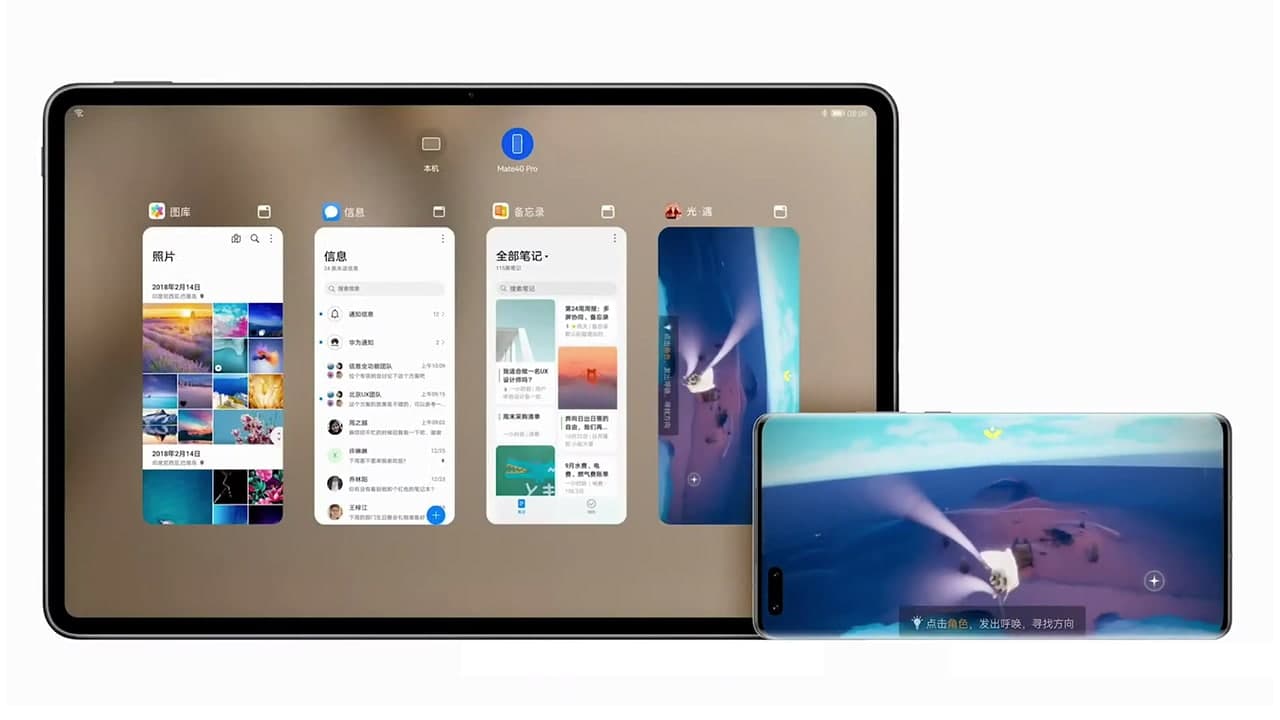
With this OS support, users can integrate capabilities of their various smart devices, implementing ultra-fast connection, and resource sharing among them. By this way, services can be seamlessly transferred to the most suitable device, delivering smooth all-scenario experience.
One-time development for multi-device deployment: HarmonyOS allows you to develop your application once, and then deploy it across a broad range of devices. As we already know that this OS have multi kernels in it. With its distributed technologies, OS makes your application development possible on different device forms. It lets you focus on the upper-layer service logic and develop applications in a much easier and more efficient way.
Unified OS for flexible deployment: HarmonyOS supports on-demand deployment for devices with different capabilities. Built with a component-based design, it is able to tailor itself to particular device forms based on their respective resource capabilities and service characteristics.
HarmonyOS provides multi-programming-language APIs for you to develop applications. You can choose from Java, Extensible Markup Language (XML), C/C++, JavaScript (JS), Cascading Style Sheets (CSS), and HarmonyOS Markup Language (HML).
System Service Layer
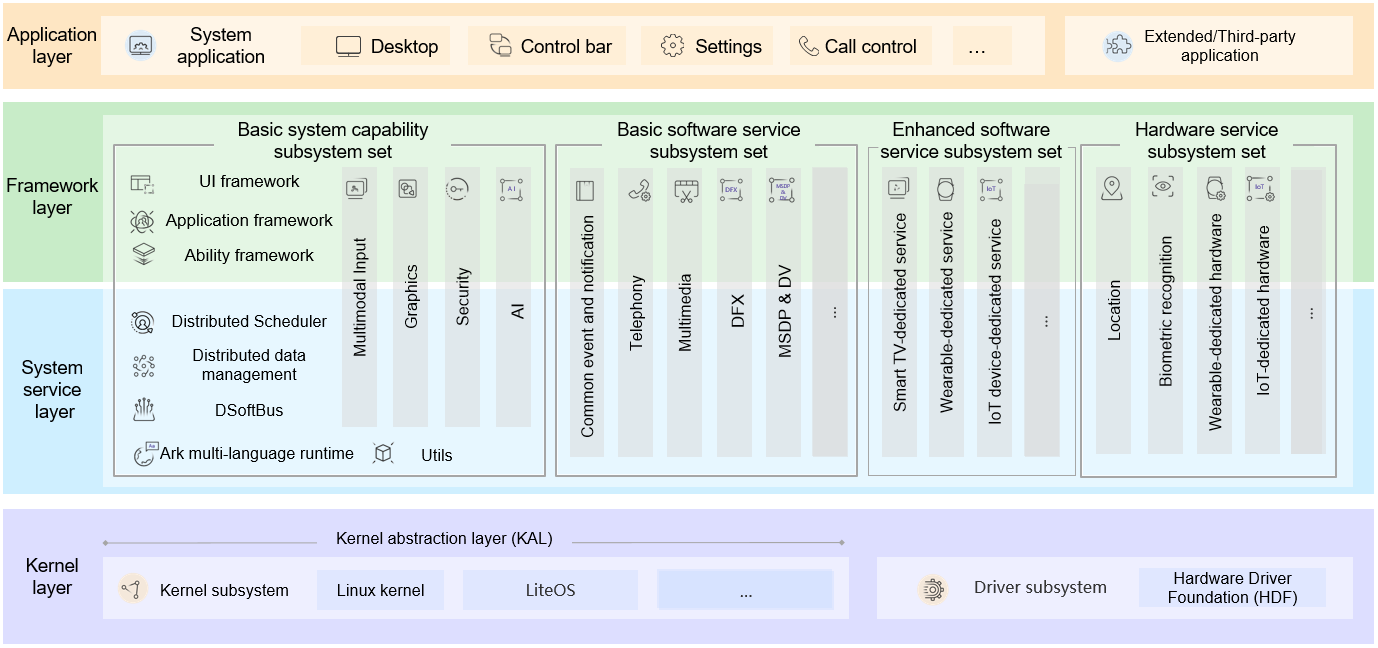
This layer provides a complete set of capabilities essential for HarmonyOS to offer services for applications through the framework layer. The system service layer consists of the following parts:
Basic system capability subsystem set: Implements distributed application running, scheduling, and migration across OS devices. This subsystem set provides the following basic capabilities: DSoftBus, distributed data management, distributed scheduler, utils, multimodal input, graphics, security, and AI.
Basic software service subsystem set: Provides HarmonyOS with common and universal software services, including common event and notification, telephony, multimedia, Design For X (DFX), as well as Mobile Sensing Development Platform (MSDP) & Device Virtualization (DV).
Enhanced software service subsystem set: Provides HarmonyOS with differentiated and enhanced software services, including those dedicated to smart TVs, wearables, IoT devices, and more.
Hardware service subsystem set: Provides HarmonyOS with hardware services, including location, biometric recognition, as well as those dedicated to wearables and IoT devices.
The basic software service, enhanced software service, and hardware service subsystem sets can be tailored by subsystems, and each subsystem can be tailored by functions, depending on the deployment scenario for a particular device form.
Framework Layer
This layer provides what you need to develop HarmonyOS applications: application framework and ability framework, specific to multiple languages (like Java, C, C++, and JS), Java and JS UI frameworks, as well as multi-language APIs for hardware and software services. The APIs available for different HarmonyOS devices vary according to component-based tailoring.
Application Layer
This layer consists of system applications and third-party applications. Each HarmonyOS application is powered by one or more Feature Abilities (FAs) or Particle Abilities (PAs). An FA provides a UI for user interaction. A PA has no UI and provides background task processing as well as data access. During user interaction, FAs may need to retrieve background data from PAs. Applications developed based on FAs and PAs implement specific business characteristics and achieve cross-device scheduling and distribution, delighting users with consistent and efficient experience.
HarmonyOS apps :
HarmonyOS provide an alternative to Android apps, HarmonyOS apps are released as an App Pack suffixed with .app for distribution at Huawei's AppGallery. Each App Pack contains one or more HarmonyOS Ability Package (HAP) files and a pack.info file. The AppGallery allows users to download and install Android apps that are compatible with HarmonyOS, and apps that are specifically designed for HarmonyOS in an APP pack. For general differentiation, some HarmonyOS apps are marked with an "HMOS" subscript on the app icon, and an underline beneath the app icon to signify the features of service cards available in HarmonyOS. Apps that are developed using specific HarmonyOS features will not be supported on devices running Android. Both HarmonyOS apps and Android apps are allowed to utilize Huawei Mobile Services as an option. However, the distributed communication technology provided in HarmonyOS system is made available for HarmonyOS apps, but not Android apps, based on the design of the operating system. As of June 2021, there were reportedly around 500,000 developers participated in developing HarmonyOS apps.
Devices that powered by Harmony OS :
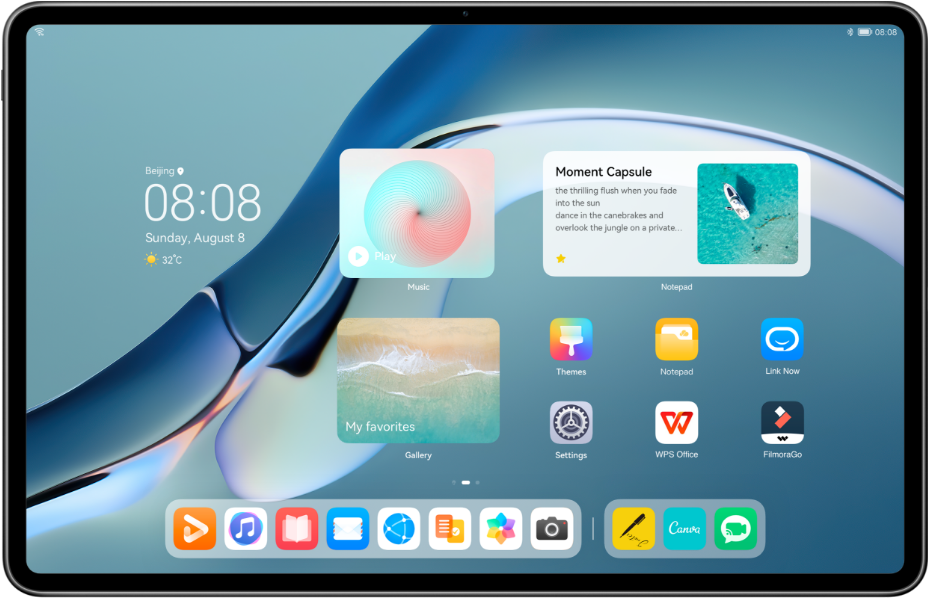
Huawei stated that HarmonyOS initially used on devices releasing in China Smartphone Market. The Huawei P30 is one of several Huawei devices to run HarmonyOS. Honor Vision line of smart TVs are the first consumer electronics devices to run HarmonyOS.The HarmonyOS 2.0 beta launched on 16 December 2020 supports the P30 series, P40 series, Mate 30 series, Mate 40 series, P50 series and MatePad Pro. HarmonyOS 2.0 was released as updates for the P40 and Mate X2 in June 2021. New Huawei Watch, MatePad Pro and PixLab X1 desktop printer models shipping with HarmonyOS were also unveiled.
Harmony OS relation with OpenHarmony, Android and LiteOS :
OpenHarmony is an open-source version of HarmonyOS which is donated to OpenAtom Foundation by Huawei. It supports devices running a mini system with memory as small as 128 KB, or running a standard system with memory greater than 128 MB. The open-source operating system contains the basic capabilities of HarmonyOS and does not depend on the Android Open Source Project (AOSP).
Conversely, HarmonyOS runs on Huawei's proprietary architecture and has used the AOSP code and a Linux kernel in smartphones to enable the operating system to run Android apps, in addition to HarmonyOS apps, on devices launching Huawei Mobile Services.

 Posts


